
-
Hours
Mon - Sat 8am - 8pm
How to Create a Pollinator Garden with Ontario Native Plants

by Rob Van Veghel - President, Dreamscape Landscaping
Pollinator gardens bring life, colour, and sustainability to your outdoor space. By choosing Ontario native plants, you’ll help support bees, butterflies, and birds, while also creating a resilient landscape that fits our local climate. Pollinator habitats are declining, but every yard and garden can make a real difference. Native plants are adapted to regional weather and soil, and they’re four times more likely to attract our local pollinators than exotics or imported ornamentals.
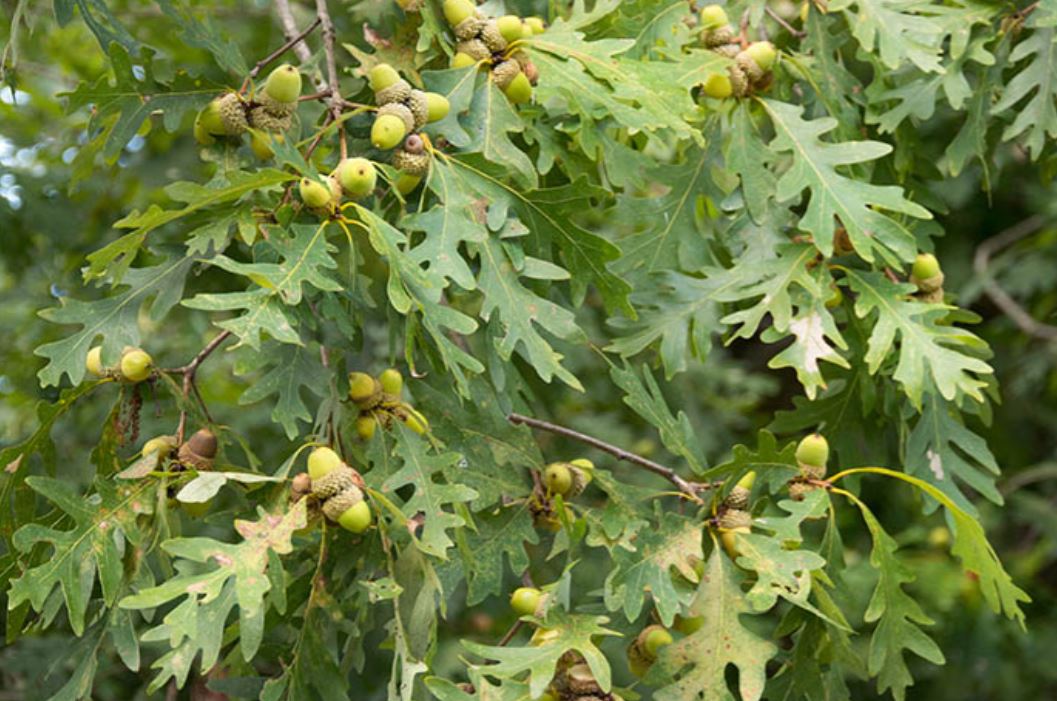
Native oak trees stand out as the most prolific pollinator hosts in Ontario gardens, supporting more than 430 species of caterpillars—far more than any other plant or tree in our region. By including an oak in your landscape, you not only provide essential food and shelter for a huge variety of butterflies, moths, and beneficial insects, but you also help sustain birds and wildlife that depend on these caterpillars for survival. Oaks are a powerhouse for biodiversity, making them an outstanding choice for anyone seeking to maximize the ecological benefits of their outdoor space.
Pollinator Garden Design Principles
- Assess your sunlight exposure and soil conditions—most native pollinator plants prefer full sun, but partial shade options exist.
- Layer plants for structure: combine groundcovers, wildflowers, grasses, shrubs, and small trees.
- Select a variety of plants to provide blooms from early spring through late fall, attracting pollinators throughout the growing season.
- Group each species in clusters of three to five, making it easier for pollinators to find flowers and creating visual impact.
- Leave some garden corners “wild”—leaf litter, stems, and logs offer essential overwintering habitat for bees and other insects.
- Eliminate chemical pesticides and synthetic fertilizers, allowing a natural ecosystem to thrive.
Top Ontario Native Plants for Pollinator Gardens
| Plant Name | Type | Season | Pollinator Attracted |
|---|---|---|---|
| Wild Bergamot | Perennial | Summer | Bees, Butterflies |
| Butterfly Milkweed | Perennial | Summer | Monarch Butterflies |
| Black-eyed Susan | Perennial | Summer/Fall | Bees, Beetles |
| Goldenrod | Perennial | Fall | Native Bees, Wasps |
| Joe-Pye Weed | Perennial | Summer/Fall | Butterflies, Bees |
| Serviceberry | Shrub/Tree | Spring | Bees, Birds |
| Asters (New England, Heath) | Perennial | Fall | Bees, Butterflies |
| Nannyberry | Shrub | Spring | Bumblebees, Birds |
| St. John’s Wort | Shrub | Summer | Bees |
| Little Bluestem | Grass | Summer/Fall | Shelter, Native Birds |
Step-by-Step Guide to Creating Your Garden
- Site Preparation: Clear away turf or invasive plants, loosen compacted soil, and enrich it with natural compost for healthy plant roots.
- Layout and Planting: Sketch a plan where taller plants go in the back or the center (island beds), and cluster key pollinator flowers for easy access.
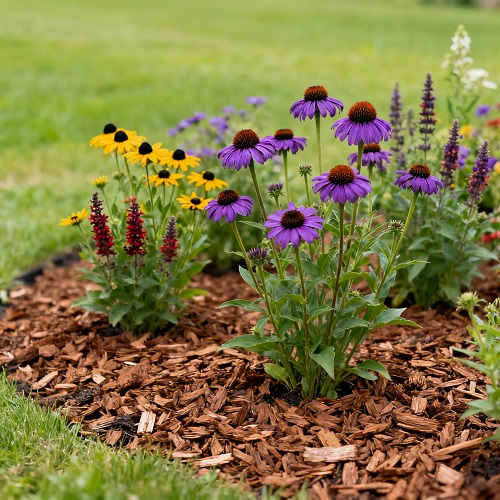
- Watering and Mulching: Water deeply after planting and during dry spells. Use mulch like shredded bark or leaf compost to maintain soil moisture and prevent weeds.
- Maintenance: In the first year, weed regularly and water as needed. Once established, native plants are low-maintenance, requiring only annual mulch and occasional deadheading.
- Additional Features: Consider a birdbath, bee hotels, or a simple log pile to attract and support diverse pollinators.
Additional Tips for Success
- Pick plants according to your site’s sunlight, moisture, and soil type.
- Mix heights, flower colours, and bloom times for all-season interest and pollinator support.
- Let natural areas develop—for the benefit of wildlife and backyard beauty.
- Whenever possible, partner with a local landscaping company for best results and peace of mind.
- Pollinator gardens are a meaningful investment—providing colour, wildlife, and long-term sustainability for your property.
Local Impact and Community Benefits
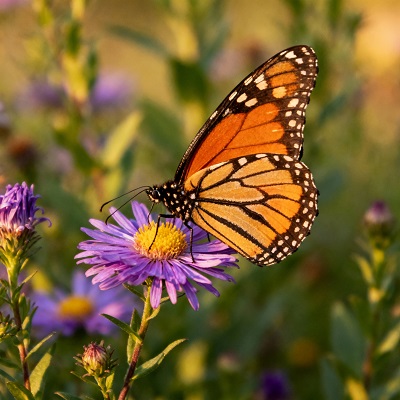
When you build a pollinator garden, you're helping to restore habitats, increase biodiversity, and beautify the community. Native plant gardens help combat soil erosion, filter rainwater, and create vital spaces for local wildlife. They also reduce outdoor maintenance time and costs, which means more time spent enjoying nature.
How Dreamscape Landscaping Can Help
Dreamscape Landscaping is your local expert in designing and installing low-maintenance, native plant gardens. Serving Georgetown, Halton Hills, and Erin since 1987, our team understands the local climate, soils, and microhabitats. We provide personalized consultations, custom garden designs, expert installation, and ongoing garden maintenance. Homeowners love our professional approach, attention to detail, and commitment to sustainability. For more planting ideas, see our guide to the best low-maintenance trees and shrubs for Ontario, or call 647-234-7907 or request a free quote to start your project.